Understanding Bioidentical Hormone Replacement Therapy (BHRT) for Weight Loss
Losing weight can be a challenging journey, and sometimes, hidden hormonal imbalances may be hindering your efforts. Bioidentical hormone replacement therapy (BHRT), often administered through hormone pellets, may offer assistance for some individuals. This article explores how BHRT works, its potential benefits and drawbacks, and provides actionable steps for successful weight management in conjunction with BHRT. It's crucial to remember BHRT is not a standalone solution; it's a supportive tool within a comprehensive weight-loss strategy.
How BHRT Could Aid Weight Loss
BHRT aims to restore your body's natural hormone balance, addressing deficiencies in hormones like testosterone or estrogen. These hormones significantly influence metabolism and energy levels. Imbalances can slow metabolism and cause fatigue, making weight loss more difficult. BHRT seeks to correct these imbalances, potentially boosting metabolism and increasing energy for exercise and healthier lifestyle choices. However, BHRT is not a magic bullet; it requires a holistic approach for optimal results.
Hormone Pellets: A Delivery Method
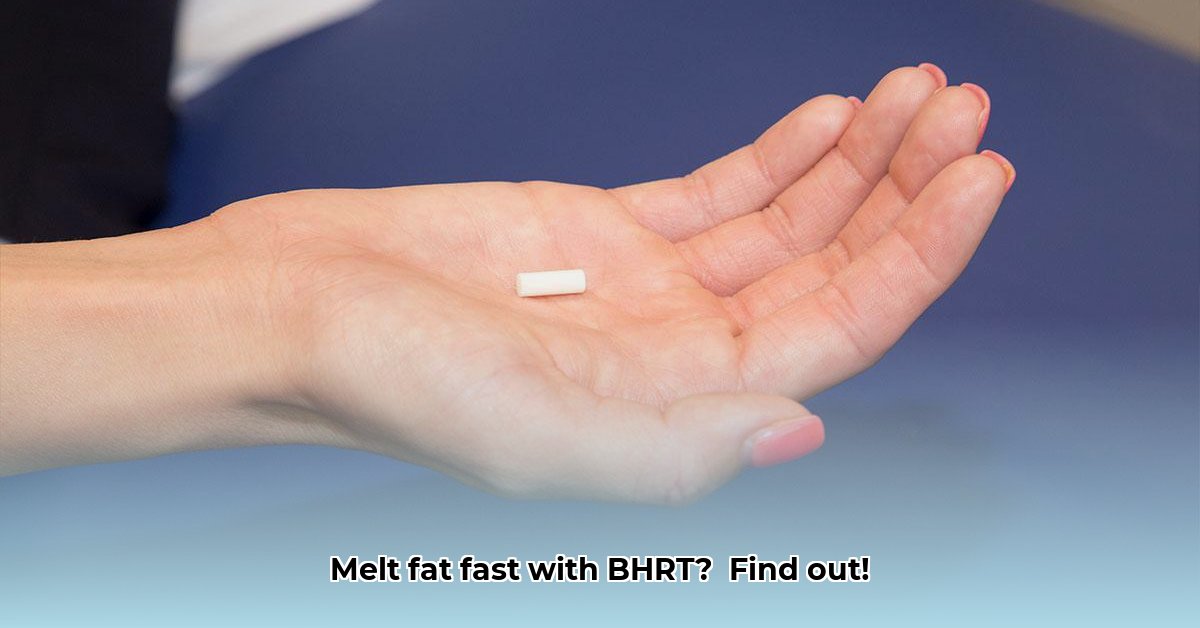
Hormone pellets, small implants placed under the skin, provide a consistent hormone supply. This method, often described as "set it and forget it," offers convenience, but adjusting dosage is more challenging once the pellets are in place.
Personalized Treatment: Your Unique Hormonal Blueprint
Successful BHRT for weight loss depends heavily on personalized treatment. A healthcare professional will conduct thorough tests to identify specific hormone deficiencies and determine the appropriate hormone type and dosage. This customized approach ensures the treatment aligns with your body's unique needs.
Weighing the Pros and Cons
Before starting any treatment, carefully consider the potential benefits and drawbacks:
| Potential Benefits | Potential Drawbacks |
|---|---|
| Improved metabolism | Requires a minor surgical procedure for pellet implantation. |
| Increased energy levels | Dosage adjustments are difficult after pellet implantation. |
| Enhanced mood and well-being | May cause side effects (e.g., acne, hair changes), usually mild and manageable. |
| Convenient, long-lasting hormone release | Can be more expensive than other BHRT delivery methods. |
| Facilitates adherence to lifestyle changes | No guaranteed weight loss; individual responses vary. |
Lifestyle's Crucial Role in Weight Management with BHRT
Even with BHRT, a healthy lifestyle remains paramount. BHRT provides support, but consistent effort is still needed. Regular exercise and a balanced diet are essential components of a successful weight management plan.
Managing Weight Changes During and After BHRT
Many individuals experience initial weight fluctuations with BHRT, often temporary adjustments as the body adapts to the new hormonal balance. These changes can affect metabolism, appetite, and water retention.
Addressing Initial Weight Gain
Several factors contribute to early weight changes:
- Hormonal Shifts: The body's adjustment to new hormone levels is a major factor.
- Water Retention: Common in the initial phase.
- Metabolic Changes: Influence how the body processes food.
- Appetite and Energy Fluctuations: These can impact dietary choices and exercise levels.
A Step-by-Step Guide to Successful Weight Management with BHRT
1. Dietary Adjustments: Focus on a balanced diet rich in fruits, vegetables, and lean protein. Minimize processed foods, sugary drinks, and unhealthy fats. Consider consulting a registered dietitian.
2. Regular Exercise: Aim for at least 150 minutes of moderate-intensity aerobic activity weekly, along with strength training twice a week.
3. Stress Management: Chronic stress disrupts hormone balance and impacts weight. Incorporate relaxation techniques like yoga, meditation, or deep breathing.
4. Consistent Monitoring and Communication: Regularly track your weight (without obsession) and discuss any significant changes with your doctor.
5. Realistic Expectations: Remember, initial fluctuations are often temporary. Patience and consistency are crucial.
Long-Term Weight Management Strategies
After the initial adjustment, continued focus on lifestyle remains vital. Maintaining a healthy diet, exercising regularly, managing stress, and regular check-ups with your healthcare provider ensure long-term success.
"It's critical to understand that BHRT is not a quick fix," says Dr. Anya Sharma, Endocrinologist at the Mayo Clinic. "It's a tool that can help, but a comprehensive approach to lifestyle and diet is necessary for sustainable weight management."
Remember to consult a healthcare professional specializing in BHRT before making any decisions about your treatment. They can assess your individual needs, discuss the risks and benefits, and guide you toward a plan tailored to your specific situation.